 Deutsch
 Englisch
 Niederländisch
 Polnisch
 Türkisch
 Ukrainisch
 Spanisch
 Italienisch

IGA 2027 International Future Conferences
How do we want to live tomorrow?
In the run-up to the 2027 International Garden Exhibition (IGA), a new international conference series is launching online. Held twice a year, these events bring together people from around the world to discuss a key question: „How do we want to live Tomorrow?“
Each conference focuses on a forward-looking topic related to urban development, the environment, and community. International speakers, creative minds, and thought leaders will share their insights and discuss with you how cities can be made greener, healthier, and more livable.
8th May 2026
Free online conferences for a sustainable urban future
Next Conference: May 8, 2026, 1:00–4:00 p.m. (CET)
Topic: Sustainable Mobility
Cities face major challenges – the climate crisis, biodiversity loss, and social inequality. This conference explores how urban spaces can be reimagined: with more urban nature, public spaces, sustainable mobility, and equal access to healthcare for all.
Language: English
Format: Digital & free (Zoom)
Target audience: Open to everyone – professionals, students, and anyone interested worldwide
Here's what you can expect:
- Four inspiring keynote speeches by international experts
- Introducing the IGA 2027
- New perspectives and concrete ideas for action
- Interactive sessions and live discussions
- Real-time visualizations of conference content (graphic recordings)
- An open, free platform for exchange and learning

Join us for free!
International Future Conference
8th May 2026 | 1:00–4:00 p.m. (CET)
Agenda
1:00 pm– Welcome
- Opening words from the IGA 2027 management team
- Opening words from the North Rhine-Westphalia Chamber of Architects
1:15 pm– Introducing IGA 2027
- General introduction by Sylvia Weigner
Head of the Management Support Unit - Presentation on mobility at IGA 2027 by Matthias Riedel
Project Manager for Mobility & Operations
1:30 pm– Keynote and Q&A-Session
- Marco Te Brömmelstroet
Mobility Language Matters
2:00 pm– Keynote and Q&A-Session
- Katja Diehl
She Drives Mobility
2:30 pm – Break
2:45 pm– Keynote and Q&A-Session
- Prof. Christa Reicher
From Traffic Space to Urban Space
3:15 pm– Keynote and Q&A-Session
- Jeff Speck
Walkable City
3:45 pm – Summary and Conclusion
4:00 pm– End
Keynotes
Sustainable Mobility
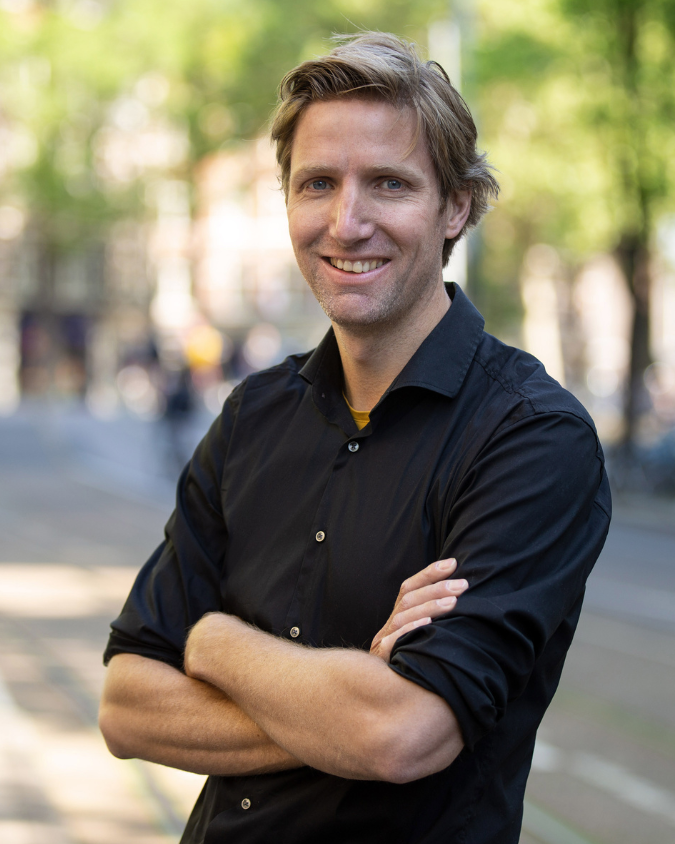
Marco Te Brömmelstroet
Until the 1920s, streets were understood as communal spaces – as “interstitial spaces between buildings.” With the advent of mass motorization, however, a new paradigm emerged that views streets primarily as efficient traffic corridors.
Marco te Brömmelstroet shows how this way of thinking has shaped our current mobility systems – and contributes to numerous societal challenges. For a genuine mobility transition, we must therefore change not only our infrastructure but also our patterns of thought and language.
About Marco Te Brömmelstroet
He is a professor of Urban Mobility Futures in Amsterdam and researches how mobility systems can be made more people-centered, equitable, and sustainable. As a co-founder the Urban Cycling Institute and current academic director of the Lab of Thought, he actively challenge the status quo through unsolicited provocations.
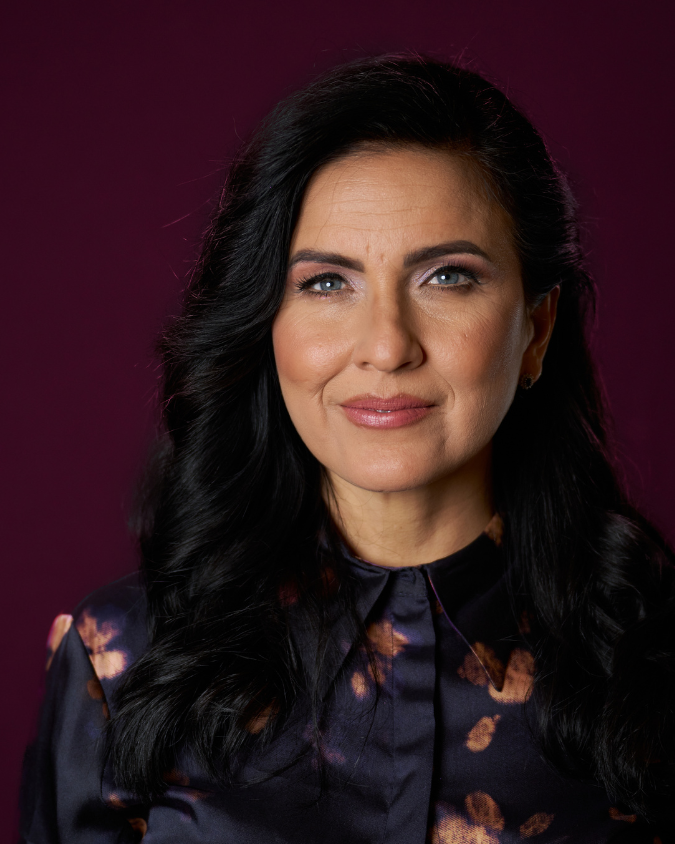
Katja Diehl
How can we achieve a mobility transition that truly includes everyone? Katja Diehl examines the social dimensions of mobility and demonstrates that the current transportation system excludes many people.
Using concrete examples and personal perspectives, she illustrates what a fairer, more inclusive, and climate-friendly mobility system could look like—beyond the prevailing car-centric mindset.
About Katja Diehl
She is a bestselling author, podcaster, and one of the leading voices in Germany’s transportation transition. Through her work, she advocates for socially equitable and sustainable mobility.
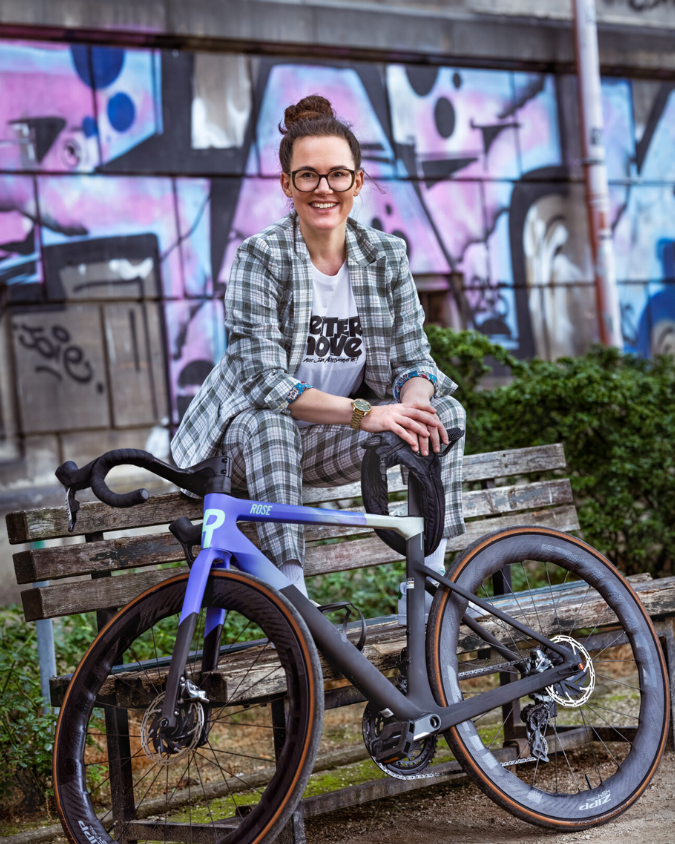
Prof. Christa Reicher
Urban development and mobility go hand in hand. Although the interplay between space and mobility is of the utmost importance, it has not yet been given sufficient consideration.
Key aspects of the planning debate surrounding sustainable concepts for urban development and mobility are the issues of spatial demands and competition for land.
Considering international developments in the management of transportation space, remarkable changes have been achieved in recent years.
The quality of public space – beyond its one-dimensional function as a traffic space – is becoming a key lever for the sustainable development of cities. Public space must therefore be enhanced in terms of design and aesthetics, multifunctionality, and climate justice, with a focus on integrating these qualities.
About Prof. Christa Reicher
Christa Reicher has held the Chair of Urban Design and Planning and served as Director of the Institute for Urban Design and European Urban Studies at the Faculty of Architecture at RWTH Aachen University since October 2018. She has held the UNESCO Chair in “Cultural Heritage and Urbanism” since 2023.
Previously, from 2002 to 2018, she was a professor and head of the Department of Urban Planning, Urban Design, and Urban Development Planning at the Faculty of Spatial Planning at the Technical University of Dortmund. From 1998 to 2002, she taught urban planning and design as a professor at Bochum University of Applied Sciences.
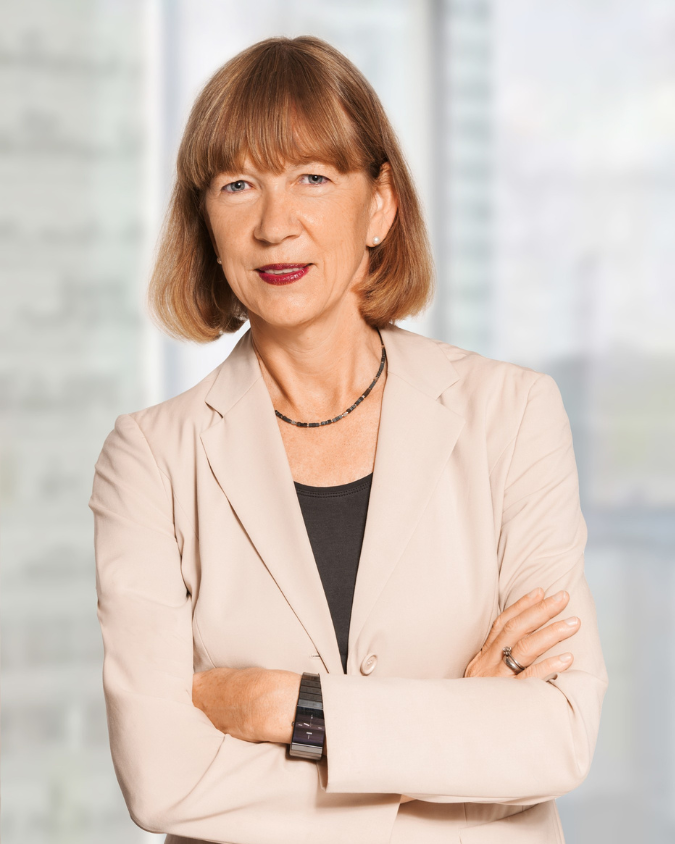
Jeff Speck
Jeff Speck demonstrates why pedestrian-friendly cities are key to sustainable mobility. A city that encourages walking reduces emissions, strengthens the local economy, and improves quality of life.
Using international examples, he explains how cities can be designed to become less car-dependent while also becoming more attractive and healthier.
About Jeff Speck
Jeff Speck is a city planner and author who advocates internationally for more walkable cities. As Director of Design at the National Endowment for the Arts from 2003 through 2007, he presided over the Mayors' Institute on City Design and created the Governors' Institute on Community Design. Prior to his federal appointment, Mr. Speck spent ten years as Director of Town Planning at DPZ & Co., the principal firm behind the New Urbanism movement. Since 2007, he has led Speck & Associates – now Speck Dempsey – an award-winning urban planning firm serving public and private clients around the world.
With Andres Duany and Elizabeth Plater-Zyberk, Mr. Speck is the co-author of Suburban Nation, which the Wall Street Journal calls "the urbanist's bible.” His 2012 book Walkable City was the best selling city planning title of the past decade and has been translated into eight languages. He is also the principal author of The Smart Growth Manual and Walkable City Rules.
Jeff Speck has been named a fellow of both the American Institute of Certified Planners and the Congress for New Urbanism. In a recent Planetizen poll, he was voted one of the ten “most influential urbanists of all time.” Mr. Speck was the 2022 recipient of the Seaside Prize, whose former awardees include Jane Jacobs and Christopher Alexander. His TED talks and YouTube videos have been viewed more than six million times.
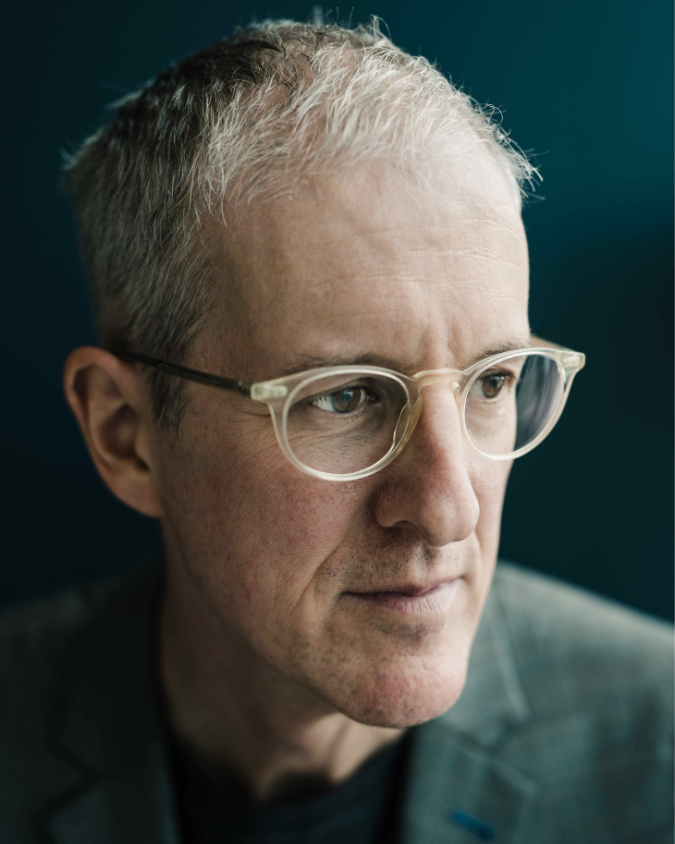
Moderated by Prof. Ana Moya
Prof. Ana Moya has more than 20 years of professional experience in data science, statistics, artificial intelligence, and data-driven strategies. During this time, she has held several leadership positions in the media and publishing sectors. Today, she works as a data scientist in consulting and is responsible for developing and implementing data, AI, and analytics solutions for a wide range of industries.
She is an honorary professor of Business Intelligence & Data Science at the International School of Management (ISM), where she combines research and teaching at the intersection of data, AI, and sustainable business models.
A particular focus of her current work is in the field of Green AI:
Prof. Moya not only analyzes the ecological footprint of AI systems, including aspects such as the infrastructure’s energy and water consumption, but also explores new approaches to designing AI models that are more efficient, resource-conserving, and thus more environmentally friendly.
Driven by a strong awareness of nature and sustainability, she advocates for a future in which AI is developed and deployed not only to be powerful, but also responsible, transparent, and environmentally conscious.